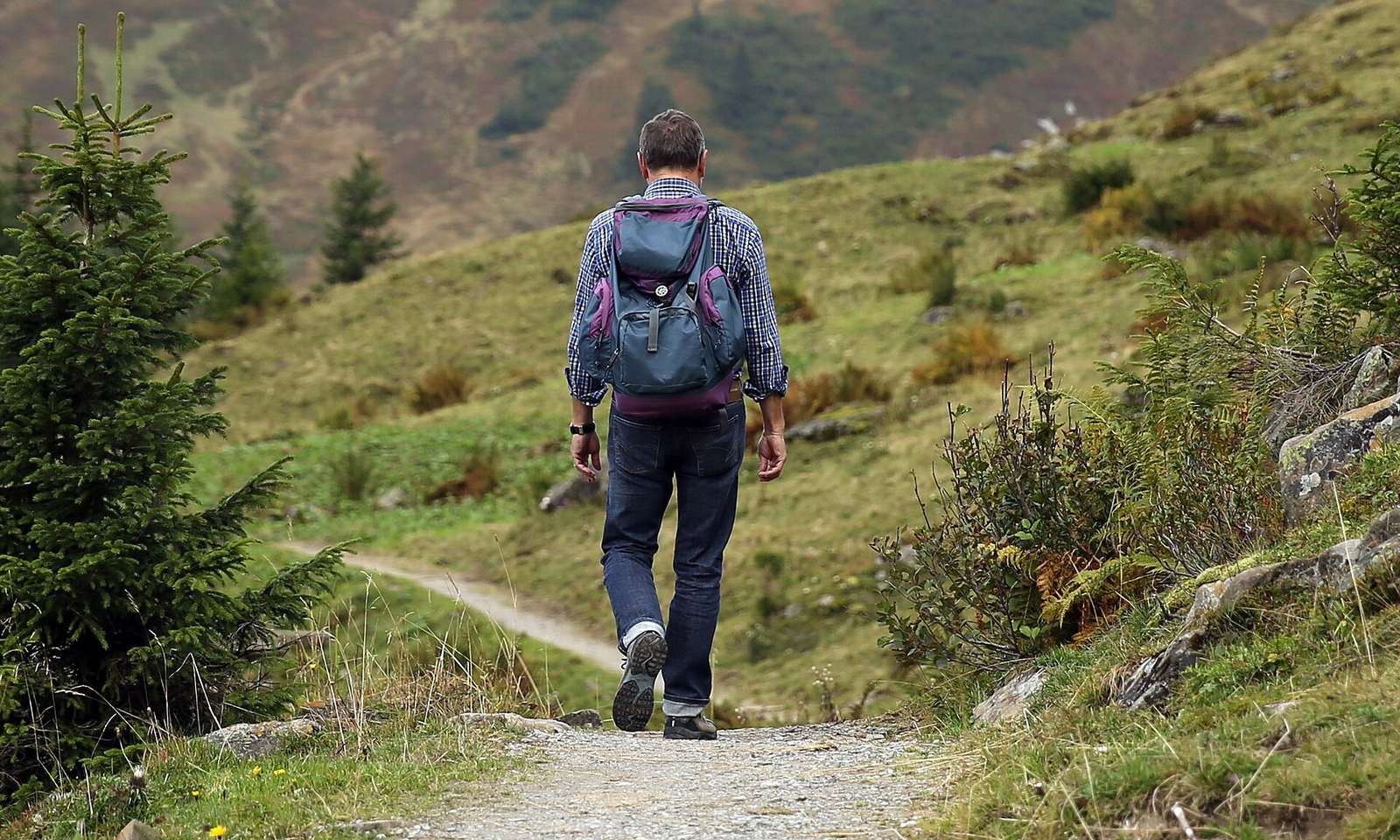
What to pack for a day hike
The ten essentials, grouped by the job each one does, so a short walk does not turn into a long problem.
By FindGuides Editors · September 22, 2026 · 7 min read
The ten essentials is a checklist that grew out of mountaineering clubs decades ago and has been refined into a set of systems rather than a shopping list. The modern version groups gear by the job it does, because what matters is not owning a specific gadget but being able to handle the common ways a day out goes wrong: losing the trail, getting cold, running out of light, or turning an ankle an hour from the car. On an easy, busy, well-marked trail in fine weather you can carry a light version. The further and more remote you go, the more each system earns its weight.
Here are the ten systems and the thinking behind each, followed by how to pack them so you actually use them.
The ten systems
| System | What to carry | Why |
|---|---|---|
| Navigation | Map, compass, and a charged phone or GPS | Phones die and signal drops; paper does not |
| Sun protection | Sunscreen, lip balm, hat, sunglasses | Exposure adds up fast at altitude and on snow |
| Insulation | An extra warm layer beyond what you wear | Weather turns and a stop cools you quickly |
| Illumination | A headlamp with spare batteries | A late finish or a wrong turn eats daylight |
| First aid | A small kit you know how to use | Blisters and small cuts are the usual callers |
| Fire | Lighter or matches and a firestarter | Warmth and signalling in an unplanned night out |
| Repair kit | Knife or multitool and some tape | Fixes a strap, a pole or a boot on the spot |
| Nutrition | More food than the walk needs | Energy keeps you warm and thinking clearly |
| Hydration | Water plus a way to treat more | Running dry is the most common real problem |
| Shelter | An emergency bivvy or foil blanket | Keeps you alive if you have to wait for help |
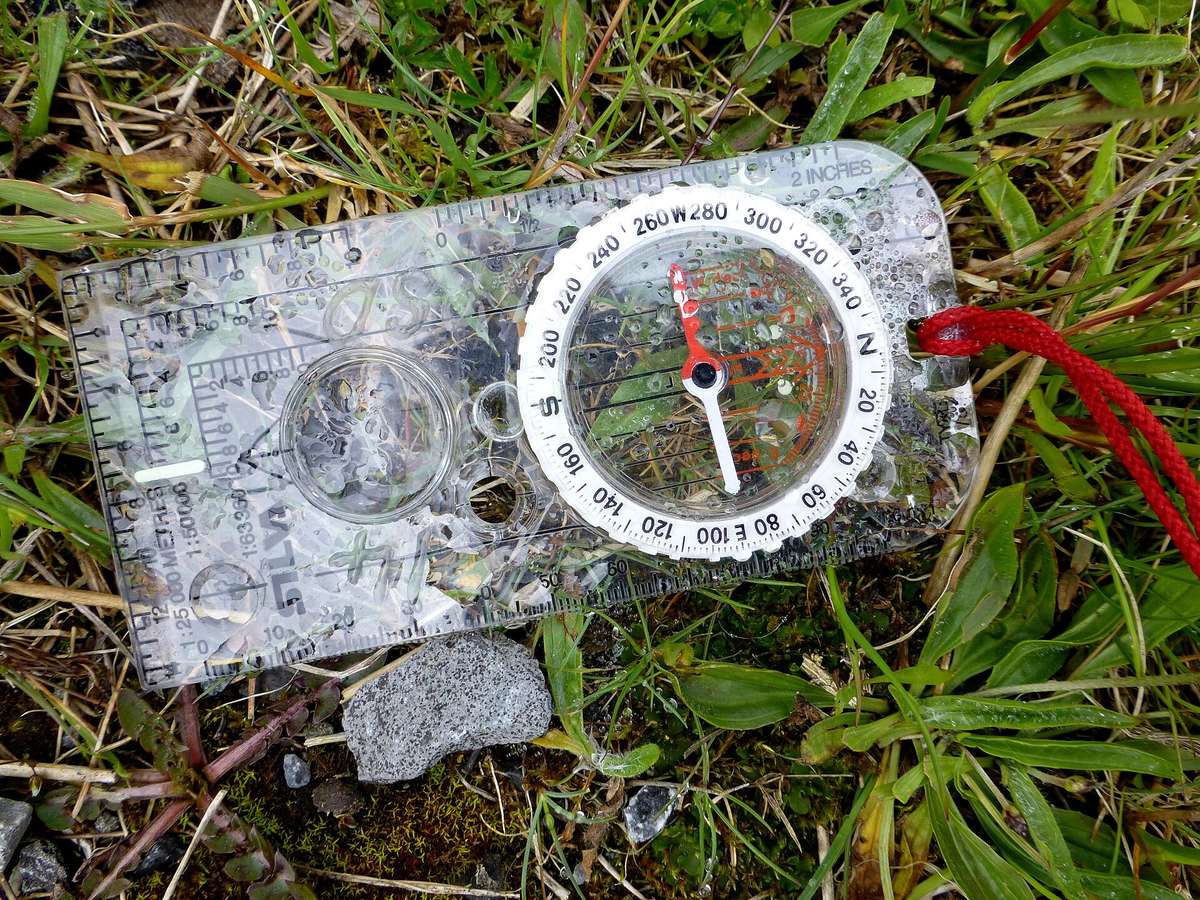
Navigation that does not need a signal
A phone is a fine primary map, but it is a poor only map. Batteries fade in cold air, screens crack, and mobile signal vanishes in valleys. Carry a paper map of the area and a basic compass, and know roughly how to orient the map to the ground before you need to. Download the offline map to your phone as well, so losing signal does not lose your route. The goal is simple: at any point you should be able to answer where am I and which way is the car without depending on a single device.
The ones people skip, and regret
Three systems get left behind most often on short walks: insulation, illumination and shelter. They feel unnecessary on a sunny morning and weigh almost nothing, which is exactly why skipping them is a bad trade. An extra fleece or a light puffy jacket turns a cold, forced wait into an uncomfortable one. A headlamp means a slow descent in the dark is merely slow, not dangerous, and your phone torch is not a substitute because it drains the battery you need for navigation. A foil blanket or a small bivvy bag, costing little and packing to the size of a fist, is the difference between a manageable night out and hypothermia. Carry all three even when the forecast is perfect.
Food, water and treating more
Carry more food than the walk strictly needs, leaning on things that survive a rucksack and give steady energy: nuts, dried fruit, a couple of bars, a sandwich. Water is the system people most often underjudge. How much you need depends on heat, effort and how long you are out, so plan generously and know where you can refill. In many areas natural water should be treated before drinking, and a lightweight filter or purification tablets weigh little and let you top up from a stream rather than carrying every litre from the start. Start drinking before you feel thirsty, because by the time you notice, you are already behind.
Sun, skin and the small repairs
The quieter systems are easy to dismiss until the day you need them. Sun protection is not only a summer concern: ultraviolet light is stronger at altitude and reflects off water and snow, so a hat, sunglasses, lip balm and sunscreen earn their place on bright days all year. A small first aid kit handles the injuries that actually happen on trails, which are rarely dramatic: blisters, small cuts, a splinter, a headache, a twisted ankle that needs strapping. Carry blister plasters, a few dressings, tape and any personal medication, and know how to use what you pack. A knife or multitool and a short length of strong tape fix the mundane failures that end a walk early, from a snapped pack strap to a sole peeling off a boot. Fire belongs here too: a lighter and a small firestarter weigh almost nothing and give you warmth and a way to signal if a day walk becomes an unplanned night out.
Pack it so you use it
Gear only helps if you can reach it. Keep the things you want often, such as snacks, the map, sunscreen and a layer, in the lid or hip-belt pockets, and the emergency items you hope never to open, such as the first aid kit, fire and shelter, together in a labelled bag lower down. Put on sun protection and tell someone your route before you start, not when you are already out. Then check the weather the morning of the walk and scale the kit to the day. A thirty-minute loop near the trailhead does not need the full set, but the moment you are committing to a few hours in open country, carry all ten systems. They are light, cheap, and the day you need one, nothing else in the bag will matter as much.
Photo credits. Photo: Hermann / Wikimedia Commons, CC0. Photo: Kenneth Allen / Wikimedia Commons, CC BY-SA 2.0. Photo: John Fowler / Wikimedia Commons, CC BY 2.0.