Packing a toiletry kit for airport security
How the carry-on liquids rule works, what counts as a liquid, and simple ways to pack so you clear the scanner quickly.
By FindGuides Editors · October 20, 2026 · 6 min read
Airport security slows down most for one reason: liquids in hand luggage. The rules around them are simple in outline but easy to trip over, and the person ahead unpacking a full wash bag at the scanner is usually someone who did not pack for the rule. A toiletry kit built around how security works clears the belt in seconds and spares you a bin of confiscated shampoo. The principles below are general and widely used, but they are not universal, so always check the specific rules for your departure airport and airline before you travel.
One important caveat up front: liquids limits are set by national authorities such as the TSA in the United States and equivalent bodies elsewhere, and they do change. Some airports have introduced newer scanners that relax the limits, while others still enforce the long-standing ones. Treat this guide as the durable logic, and confirm the current numbers on the official site for where you are flying from.
The liquids rule in plain terms
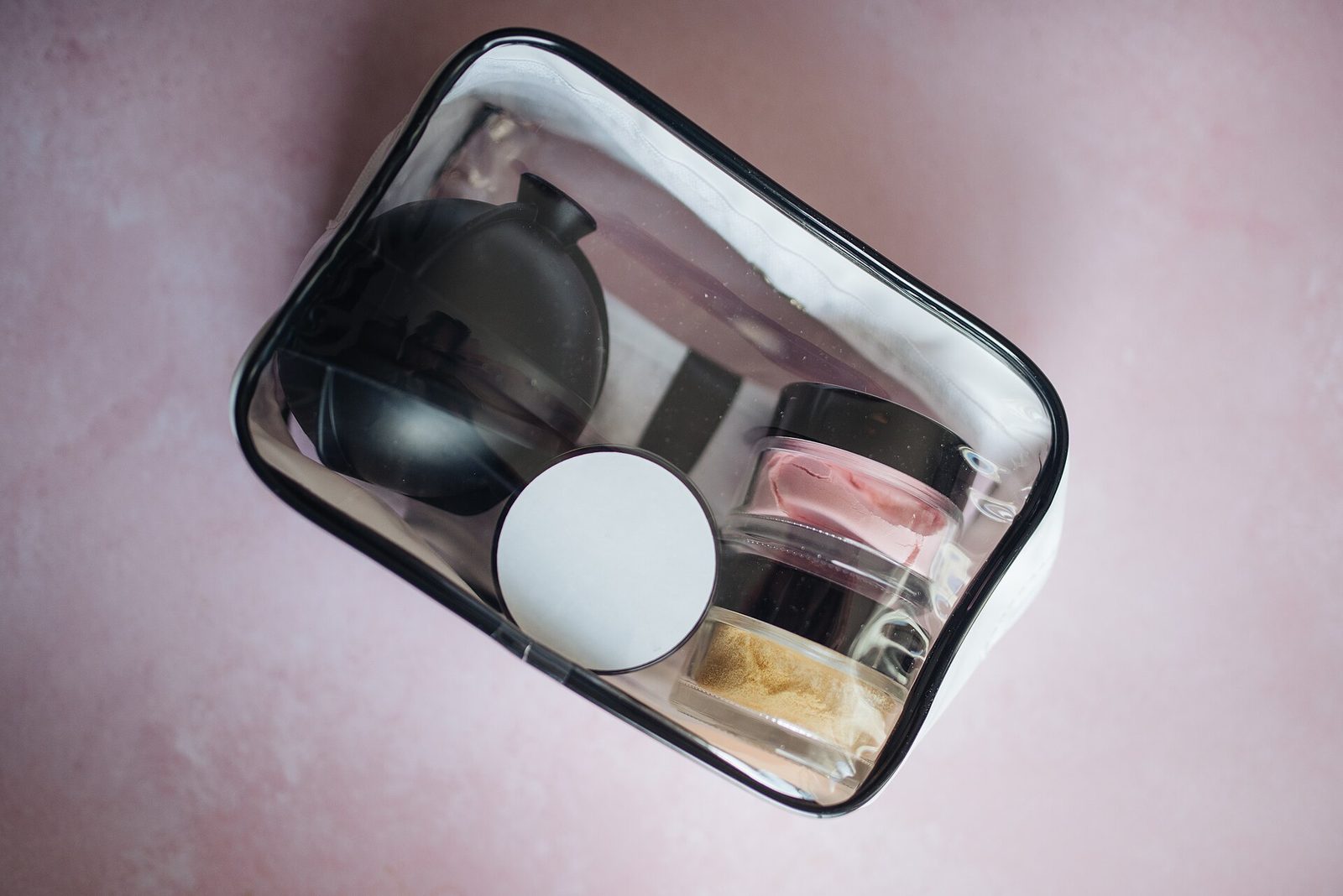
The widely used carry-on rule limits liquids to small containers, commonly up to 100 millilitres or about 3.4 ounces each, with all of them fitting inside a single small, clear, resealable bag that is roughly one litre in size, one bag per passenger. The container size is what counts, not how much is left inside it, so a half-empty 200 millilitre bottle is not allowed even though it holds under 100 millilitres of product. You take the bag out of your luggage and place it in the tray on its own so the scanner can see it clearly. These numbers are the common standard, and they are exactly the sort of detail that varies by country, so verify them for your trip.
What actually counts as a liquid
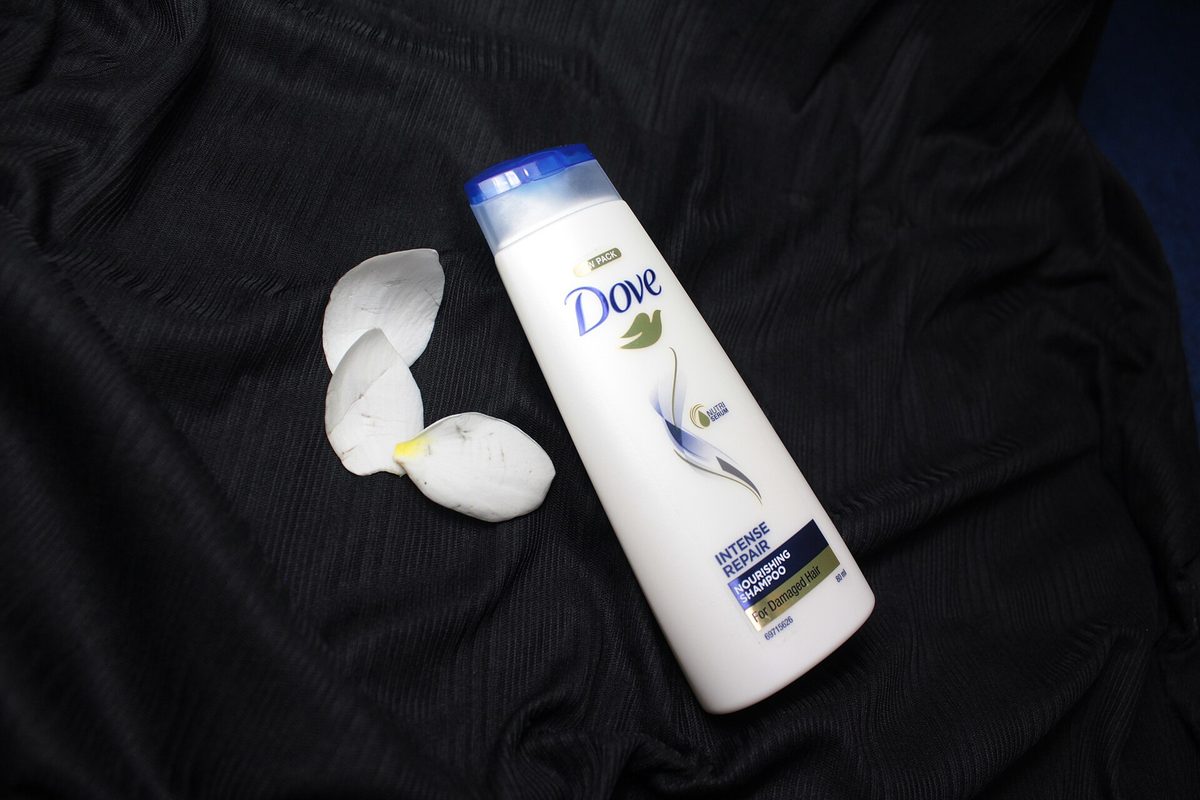
This is where most mistakes happen. Security treats a liquid as anything that can pour, spread, spray or squeeze, so the category is far wider than bottles of water. Toothpaste, sunscreen, deodorant in roll-on or gel form, moisturiser, lip balm in a pot, mascara, foundation, hair gel, contact lens solution and even soft cheese or yoghurt all count. If you can spread it with a knife or squeeze it from a tube, assume it is a liquid and treat it accordingly. A few items get special handling, such as medicines and baby formula, which are usually allowed in larger quantities when declared, so check the rules and tell the officer if you are carrying them.
Decant, or buy small
You rarely need a full bottle of anything for a trip. The tidiest approach is to decant what you use into small, clearly labelled travel bottles that sit under the limit, filling only what the trip needs. Reusable silicone bottles that squeeze are easier to empty than rigid ones. Buying travel-size versions of your regular products works too, though it costs more per millilitre and generates more packaging. Either way, line the small containers up in your clear bag before the trip so you are not rummaging at the belt.
Solids skip the rule
The simplest way to beat the liquids limit is to carry fewer liquids. A growing range of toiletries now comes in solid form, and solids are not subject to the liquids rule at all. Swapping a few items saves space in your clear bag and removes the risk of a leak at altitude.
- Shampoo and conditioner bars instead of bottles.
- A bar of soap instead of body wash.
- Solid or stick deodorant instead of a gel or spray.
- A tooth powder or toothpaste tablets instead of a tube.
- A solid moisturiser or balm bar instead of a pot of cream.
Pack for the scanner, not the bathroom
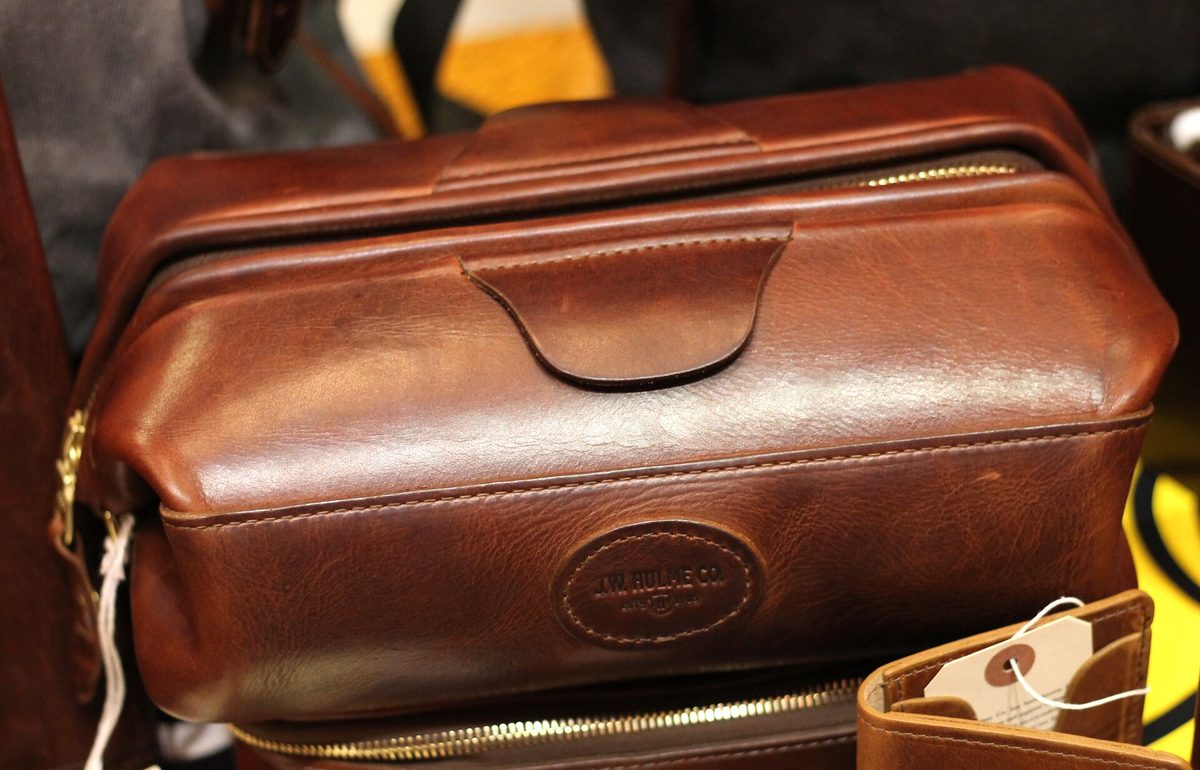
How you arrange the kit in your bag decides how fast you move through security. Keep the clear liquids bag near the top or in an outer pocket so you can lift it straight into a tray without digging. Keep solids, a toothbrush, a razor and any tools in a separate wash bag, since they do not need to come out. Close every liquid tightly and, if you want insurance against a cabin-pressure leak, keep the bag upright and consider a twist of film under the lids. Sharp items have their own rules, so a razor is usually fine but loose blades and large scissors are often not, and anything you are unsure about is safer in your checked bag.
When in doubt, check it or confirm it
Checked luggage has far looser liquid limits, so a full-size bottle you cannot do without can simply go in the hold. For the carry-on, the whole system is quick to build: a clear bag of small containers near the top, a few solids to cut the liquids down, and everything else in a separate wash bag. Then do the one thing this guide keeps returning to, because it is the thing that actually keeps you out of trouble: look up the current liquids rules for your departure airport before you pack, since they differ by country and they change.
Photo credits. Photo: Shixart1985 / Wikimedia Commons, CC BY 2.0. Photo: Ranjima np / Wikimedia Commons, CC0. Photo: Robert Sheie / Wikimedia Commons, CC BY 2.0.
More in Travel
- TravelPicking a universal travel adapterPlug shapes, voltage, and the difference between an adapter, a converter and a transformer, so you charge safely abroad.
- TravelHow to use packing cubesA simple system for turning a bag of loose clothes into tidy blocks you can find, repack, and fit more of.
- TravelChoosing a carry-on backpackHow to pick a cabin-sized pack that fits the bag sizer, carries well, and opens the way you actually pack.