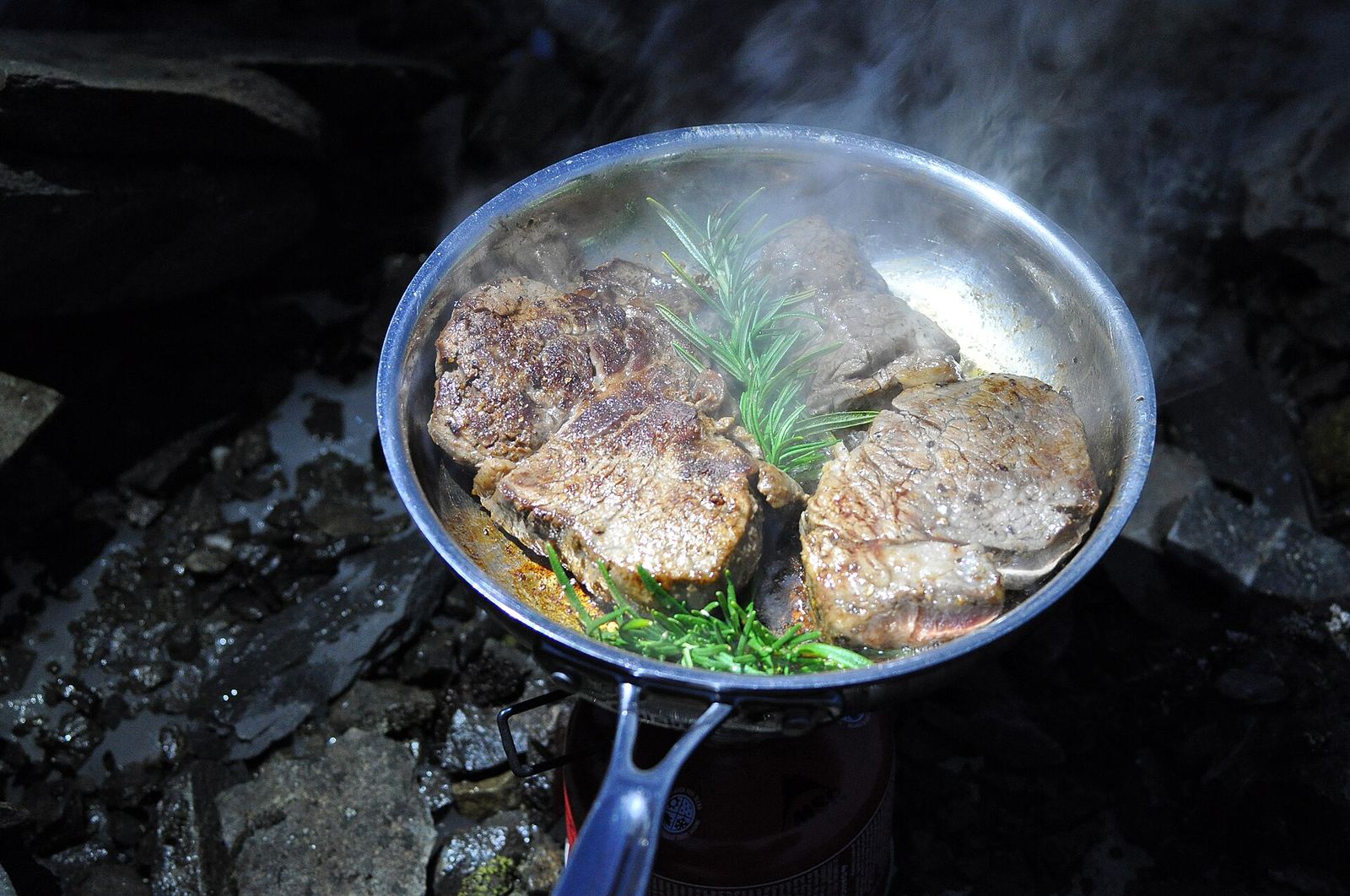
The basics of a camp stove
Canister, liquid fuel and alcohol stoves compared, with the cold-weather quirks and safety rules that matter most.
By FindGuides Editors · October 14, 2026 · 7 min read
A camp stove exists to do one thing reliably: boil water and heat food when there is no kitchen. The choice between types comes down to the fuel they burn, and each fuel trades convenience against cold-weather performance, weight and running cost. For most people on most trips the decision is simple, but it is worth understanding all three main types so you can match the stove to where you are going rather than to a shop display.
Canister stoves
A canister stove screws onto a sealed cartridge of pressurised gas, usually a blend of isobutane and propane. It is the easiest type to live with: turn the valve, spark the igniter or hold a flame to it, and you have a controllable blue flame in seconds, with a dial that simmers as well as boils. There is no priming, no pumping and almost no mess. The compromises are that you cannot see how much gas is left without weighing the canister, empty canisters are extra weight to carry out, and performance drops as the canister cools, which matters in winter. For three-season backpacking, canister stoves are the default for good reason.
Liquid fuel stoves
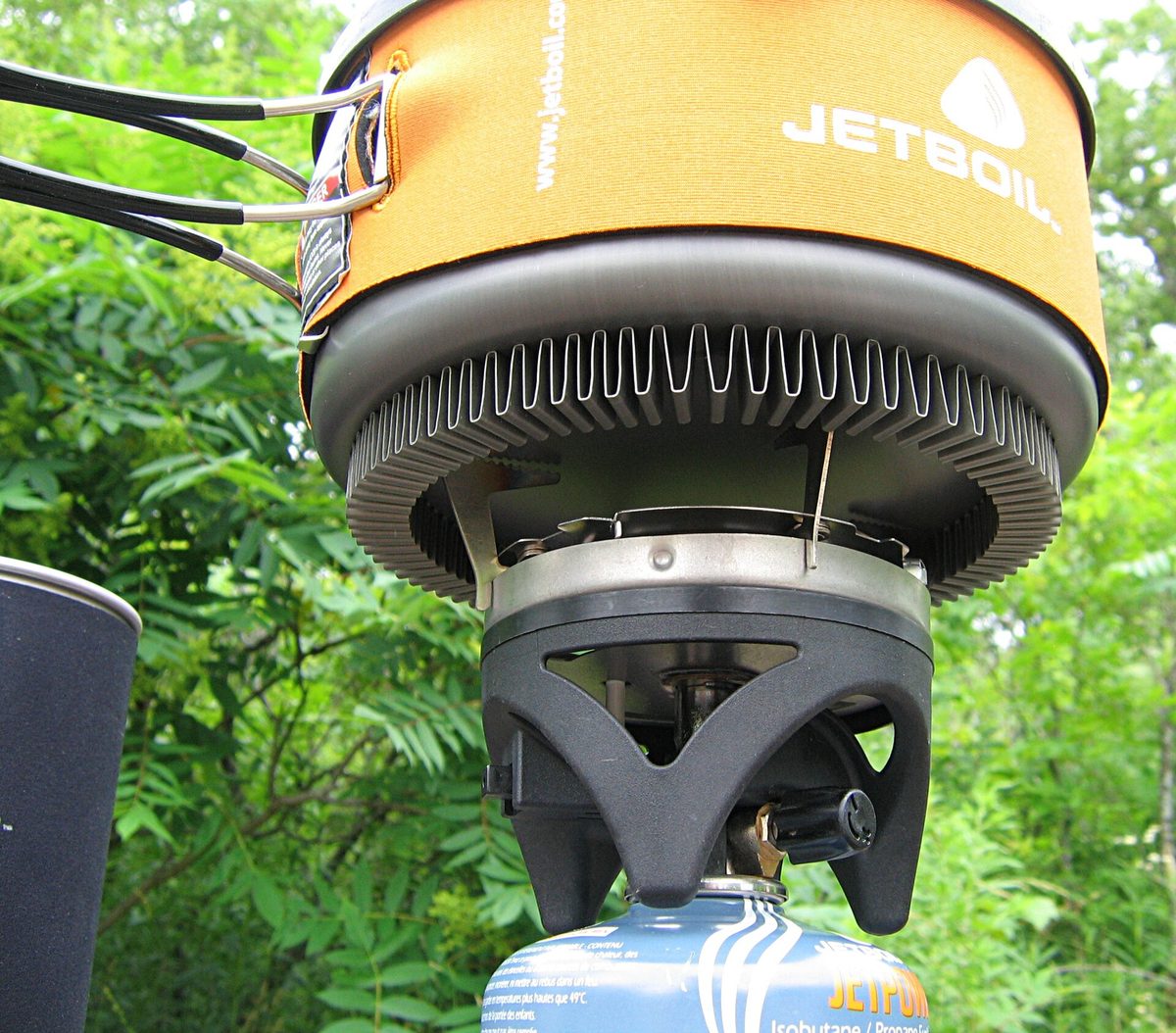
A liquid fuel stove burns refined white gas, and many models also run on petrol, kerosene or other fuels, from a refillable bottle you pressurise with a pump. This is the choice for serious cold, high altitude and long expeditions. Because you pressurise the bottle yourself, the stove keeps its power when a gas canister would be sputtering, and liquid fuel is cheap and available almost anywhere, which matters on a long trip or in a remote region. The cost is complexity: you have to prime the stove by burning a little fuel to warm it before it runs properly, the parts need occasional cleaning, and a careless fill can spill fuel. You see exactly how much fuel remains in the bottle, which is a quiet advantage on a long route.
Alcohol and tablet stoves
The lightest and simplest stoves burn denatured alcohol or solid fuel tablets. An alcohol stove can be a tiny metal cup with no moving parts, which is why long-distance hikers like them: there is nothing to break, the fuel is cheap and widely sold, and the whole kit weighs next to nothing. The trade-offs are real, though. Alcohol holds less energy than gas, so it boils slowly, the near-invisible flame is hard to see in daylight and offers no simmer control, and wind ruins its efficiency, so a windscreen is essential. These stoves suit a solo hiker heating water in fair weather, not a group cooking a real meal in the cold.
| Type | Strengths | Weaknesses | Best for |
|---|---|---|---|
| Canister gas | Simple, fast, good simmer control | Weaker in cold, fuel level hard to judge | Most three-season trips |
| Liquid fuel | Strong in cold and at altitude, cheap fuel | Priming, pumping and maintenance | Winter, expeditions, remote travel |
| Alcohol / tablet | Very light, cheap, nothing to break | Slow, no simmer, poor in wind | Ultralight solo, fair weather |
Cold weather changes everything
Temperature is the quiet factor that catches people out. A standard canister loses pressure as it gets cold, so the flame weakens or dies on a frosty morning, which is why winter users either keep the canister warm, choose a blend with more propane, use a stove that runs the canister upside down to feed liquid fuel to the burner, or switch to a liquid fuel stove entirely. Altitude and wind matter too: thin air and a breeze both steal heat from the pot, so a windscreen and a lid cut your boil time and your fuel use more than any upgrade to the stove. Plan a little extra fuel for cold, wind and altitude rather than assuming the sea-level numbers.
Safety rules that do not bend
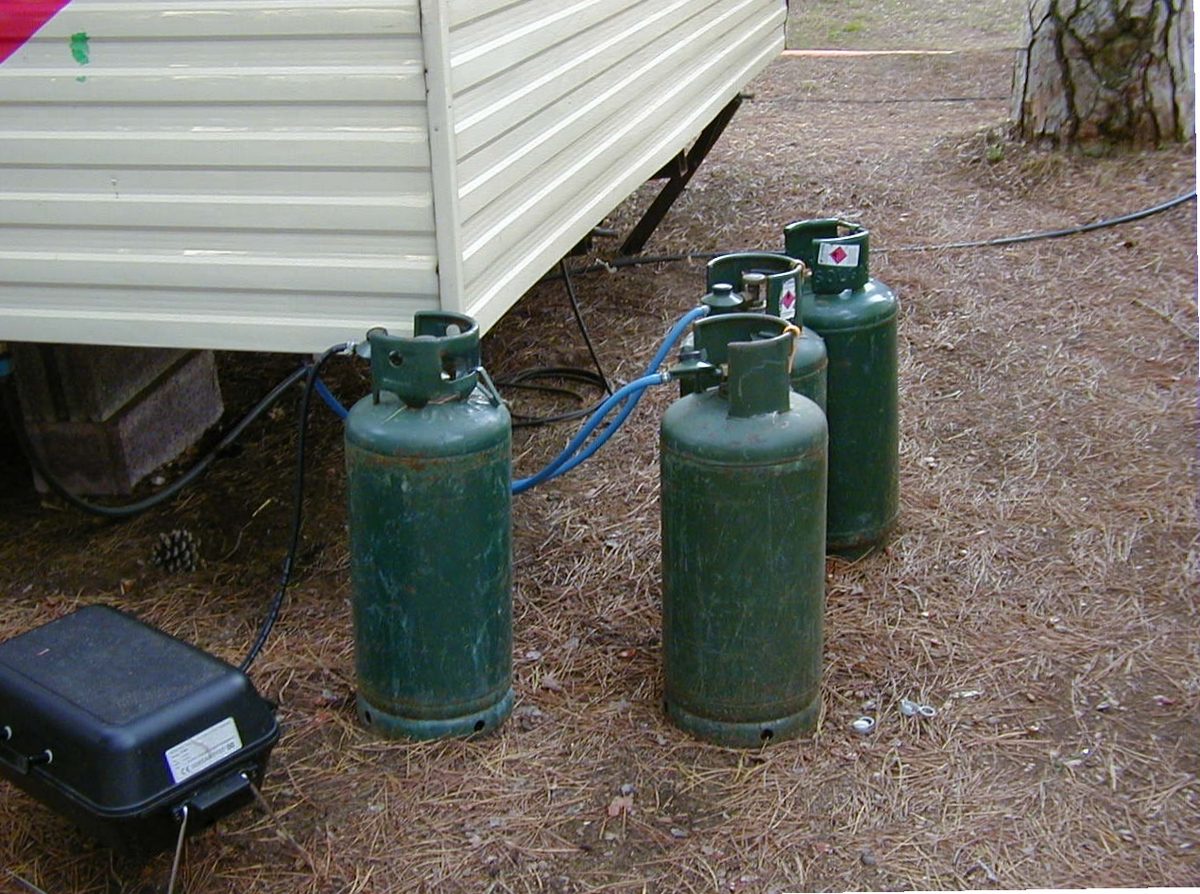
A camp stove burns fuel, which means it produces carbon monoxide, an odourless gas that can kill in an enclosed space. The rules below are not optional advice; they are the ones that prevent the accidents that happen every season.
- Cook in the open air, never inside a tent, a closed vestibule or a van with the doors shut.
- Set the stove on firm, level ground so a full pot cannot tip.
- Keep the flame well away from your tent, dry grass and anything that can catch.
- Let the stove cool before you change a canister or refill a fuel bottle, and do it away from any flame.
- Check connections and the canister seal before lighting, and never leave a lit stove unattended.
For most people starting out, a canister stove covers nearly every trip they will take, and it is the one to learn on. Add a liquid fuel stove when cold, altitude or a long expedition demands it, and keep an alcohol stove in mind only if counting grams is the whole point of the walk. Whichever you choose, the safety rules stay the same, and they are what let the stove do its one simple job for years.
Photo credits. Photo: Paxson Woelber / Wikimedia Commons, CC BY 2.0. Photo: Michael Pereckas / Wikimedia Commons, CC BY 2.0. Photo: Contributor / Wikimedia Commons, CC BY-SA 3.0.
More in Camping
- CampingReading sleeping bag temperature ratingsComfort, limit and extreme explained, plus why the standard test and your sleeping pad decide whether you stay warm.
- CampingChoosing a first backpacking tentHow capacity, season rating and weight really work, so your first tent fits you, the trip, and your back.