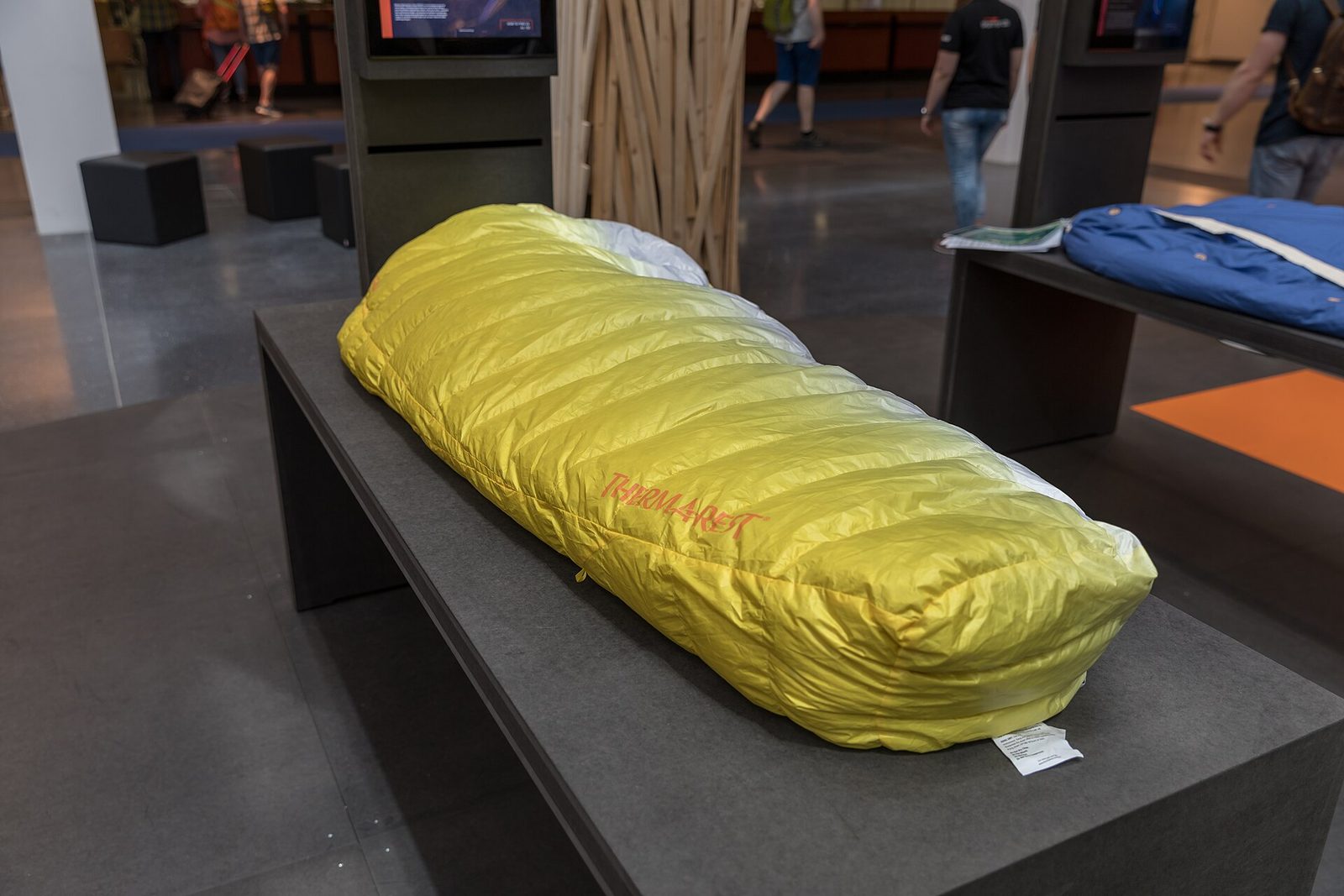
Reading sleeping bag temperature ratings
Comfort, limit and extreme explained, plus why the standard test and your sleeping pad decide whether you stay warm.
By FindGuides Editors · October 3, 2026 · 7 min read
A sleeping bag's temperature rating looks like a single promise and is really a set of them. For years makers set their own numbers however they liked, so a comparison between brands meant little. A shared laboratory test changed that. Learning to read the three numbers it produces, and understanding what the test leaves out, is the difference between a warm night and a long cold one.
What the standard actually measures
Most reputable bags are now tested to a shared standard, EN 13537, which has been updated and carried forward as ISO 23537. A heated mannequin wearing a base layer is placed inside the bag on a standard sleeping pad in a climate chamber, and sensors measure how much heat escapes at different temperatures. Because every lab follows the same method, the resulting numbers let you compare a bag from one brand against another on roughly even terms. That is the real value of the standard: not perfect accuracy for you specifically, but a fair basis for comparison.
Comfort, limit and extreme
The test produces three figures, and knowing which one to read is most of the skill.
| Rating | What it models | How to use it |
|---|---|---|
| Comfort | A colder sleeper resting comfortably, relaxed | The number to trust if you sleep cold |
| Limit | A warmer sleeper curled up but still warm | A reasonable figure for a warm sleeper |
| Extreme | Survival only: serious cold stress, risk of harm | A danger line, never a target to plan around |
The comfort and limit numbers are the useful pair. The standard pairs them with the idea of a standard colder sleeper and a standard warmer sleeper, which roughly tracks with who tends to feel the cold more. The extreme rating is often printed largest in marketing and is the least useful to you: it marks the point at which the bag merely keeps a person alive for a few hours with real risk of cold injury. Never choose a bag by its extreme number.
Which number to choose
Pick a bag whose comfort rating is a little below the coldest night you expect, then give yourself a margin. A few degrees of headroom costs little and covers a cold snap, a tired body, or a camp that sits higher and colder than the forecast valley. Whether you sleep warm or cold also matters more than people admit. If you are someone who shivers in a jumper indoors, buy to the comfort number and add margin; if you sleep hot, the limit number may suit you. Ratings assume you are wearing a base layer and are well fed and rested, so a hungry, exhausted body at the end of a hard day will feel colder than the chamber suggests.
Down or synthetic fill
The fill decides how the bag behaves as much as the rating does. Down is light, compresses small and lasts for years, and its warmth for weight is excellent, but wet down clumps and loses most of its loft and much of its warmth, and it is slow to dry. Synthetic fill is bulkier and heavier for the same warmth, but it keeps insulating when damp and dries faster, which suits wet climates and anyone who is hard on their gear. Down with a water-resistant treatment narrows the gap. For dry trips where pack size matters, down wins; for damp conditions or a tight budget, synthetic is the safer choice.
Fit, shape and trapped air
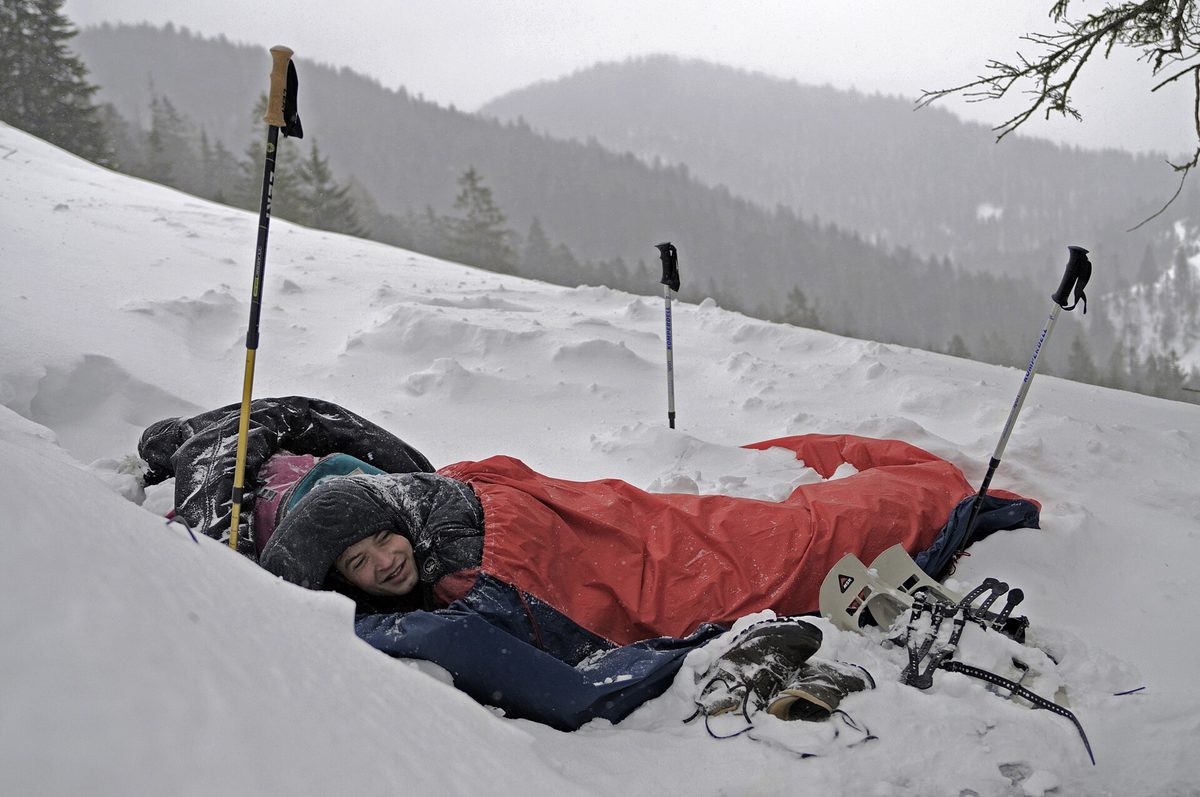
A bag keeps you warm by trapping a layer of still air your body heats. A snug mummy shape, with a hood you can cinch and a draft collar around the shoulders, traps that air efficiently and is warmer for its weight than a roomy rectangular bag. The trade is comfort: a mummy can feel restrictive if you move a lot in your sleep. Too large a bag leaves cold pockets your body has to heat, so a bag that roughly fits your height and build performs closer to its rating than one you are swimming in.
Small things that steal or save warmth
A few habits change how warm a given bag feels on the night. Cinching the hood and draft collar so only your face is exposed keeps the heat your body has made from leaking out around your shoulders, which is where most of it escapes in a mummy bag. Going to bed warm rather than cold matters too, because the bag only traps heat, it does not create it, so a short walk, a warm drink or a few minutes of movement before you climb in gives the insulation something to hold. Damp also robs warmth, so keeping the bag dry, airing it in the morning, and storing it loosely uncompressed at home so the fill keeps its loft all protect the warmth you paid for.
The pad does half the work
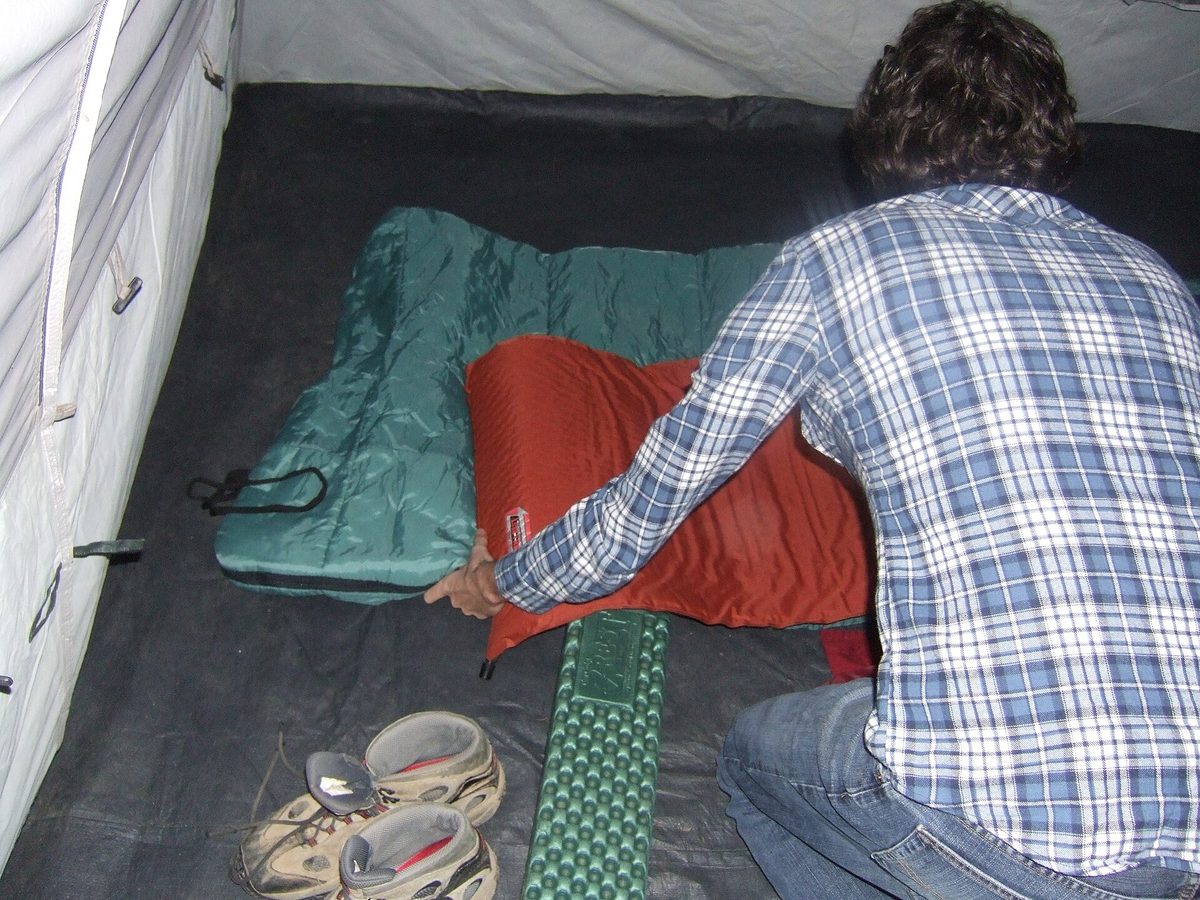
This is the point most people miss. The standard test places the bag on a sleeping pad, because the insulation under you is crushed flat by your weight and does almost nothing. The ground pulls heat out of you fast, and the pad, rated by its R-value, is what stops it. Pairing a cold-weather bag with a thin summer pad gives you a cold night no matter what the bag's number says. Match the pad to the conditions alongside the bag, and treat the two as one system rather than a warm bag and an afterthought.
Photo credits. Photo: Matti Blume / Wikimedia Commons, CC BY-SA 4.0. Photo: Mike Burns / Wikimedia Commons, CC BY-SA 2.0. Photo: Rolf Steinmann / Wikimedia Commons, Public domain.