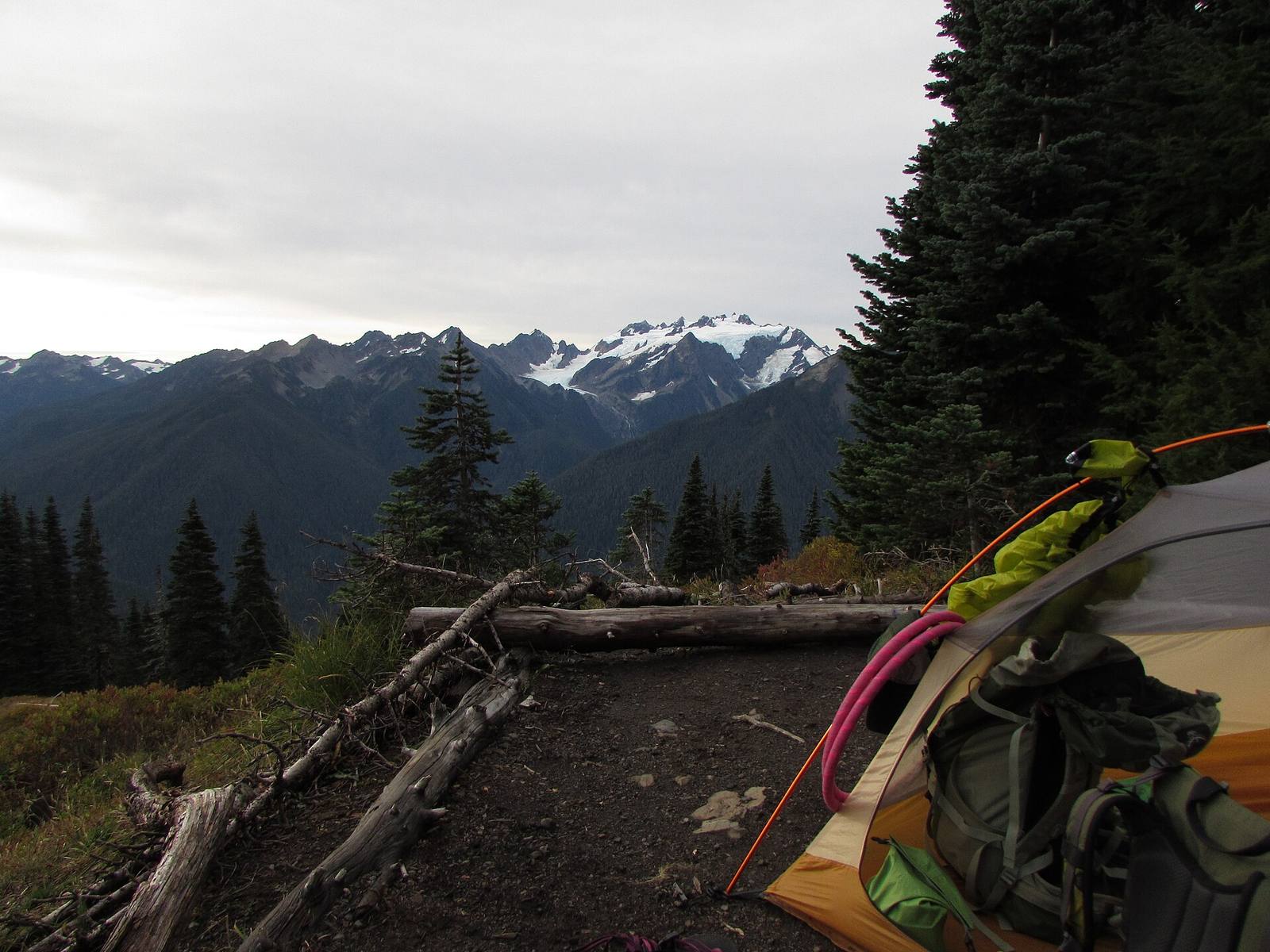
Choosing a first backpacking tent
How capacity, season rating and weight really work, so your first tent fits you, the trip, and your back.
By FindGuides Editors · September 28, 2026 · 7 min read
A backpacking tent is a set of compromises you carry on your back, so the right first tent is the one whose compromises match your trips. Three numbers drive the decision: how many people it sleeps, what conditions it is built for, and what it weighs. Each of those numbers is quoted in a slightly misleading way, so the first job is learning to read them honestly. Do that and most of the marketing falls away.
Capacity ratings run small
A two-person tent means two sleeping pads laid side by side with almost no space to spare. It does not mean two people plus their packs, boots and room to sit up and change. Manufacturers measure to the sleeping-mat edge, so the rated number is a tight minimum, not a comfortable fit. The usual advice holds up: if you want room for your gear or you are a larger person, size up by one. A solo hiker who values space is often happiest in a two-person tent, and a couple who want their packs inside will rest better in a three. The penalty is weight, which is the trade you are always making.
Season ratings explained
Season ratings describe the weather a tent is built to handle, not the months you can use it. Most people need a three-season tent and nothing more.
| Rating | Built for | Trade-off |
|---|---|---|
| Two-season | Mild, sheltered, fair-weather nights | Light and airy, but weak in wind and rain |
| Three-season | Spring to autumn, wind and rain, light flurries | The all-rounder most backpackers should buy |
| Four-season | Winter, heavy snow load, strong storms | Heavier, warmer, and overkill for summer use |
A four-season tent is not simply a warmer three-season one. It has less mesh, stronger poles and a shape built to shed snow, which makes it heavier and hotter and less pleasant on a summer night. Unless you specifically plan to camp in winter conditions, a good three-season tent is the versatile choice, and it will handle far rougher weather than most beginners expect.
Weight and which number you are reading
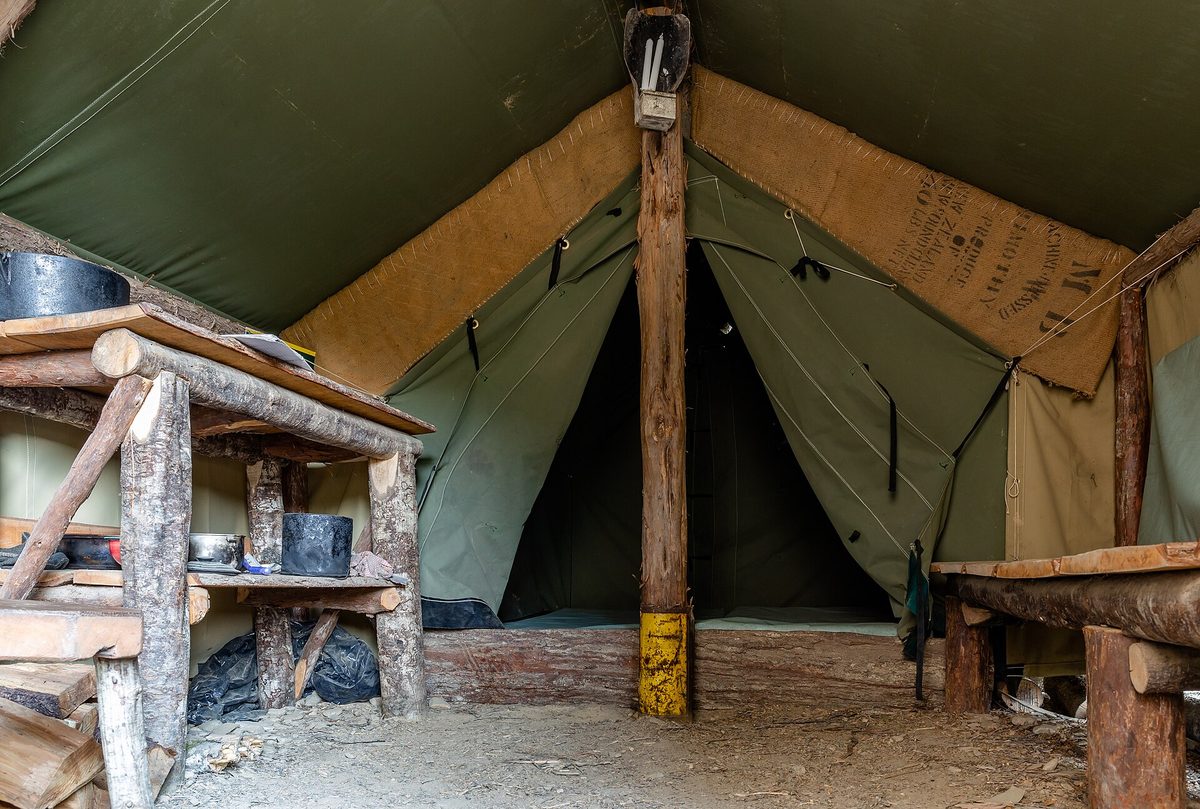
Tent weight is quoted in at least two ways, and the gap between them matters. Minimum or trail weight usually counts only the tent body, the rainfly and the poles, the bare minimum to pitch it. Packed or packaged weight includes the stuff sacks, the stakes, the guy lines and often the instructions, which is closer to what you actually carry. When you compare tents, compare the same figure, and lean on the packed weight for a realistic number. For one person, many good three-season tents land somewhere in the range of roughly one to two kilograms. Lighter is not automatically better, because shaving weight usually costs money, interior space, or durability, and a beginner is better served by a slightly heavier tent that pitches easily and survives being learned on.
Double wall or single wall
A double-wall tent has an inner body, often part mesh, and a separate waterproof rainfly over it. The gap between them lets moisture from your breath escape and condense on the fly rather than on you, which makes condensation easier to manage and is the forgiving choice for a first tent. A single-wall tent combines both layers to save weight, but it needs careful pitching and good ventilation to avoid a damp interior. Start with a double wall unless weight is your single overriding concern.
Freestanding or trekking-pole
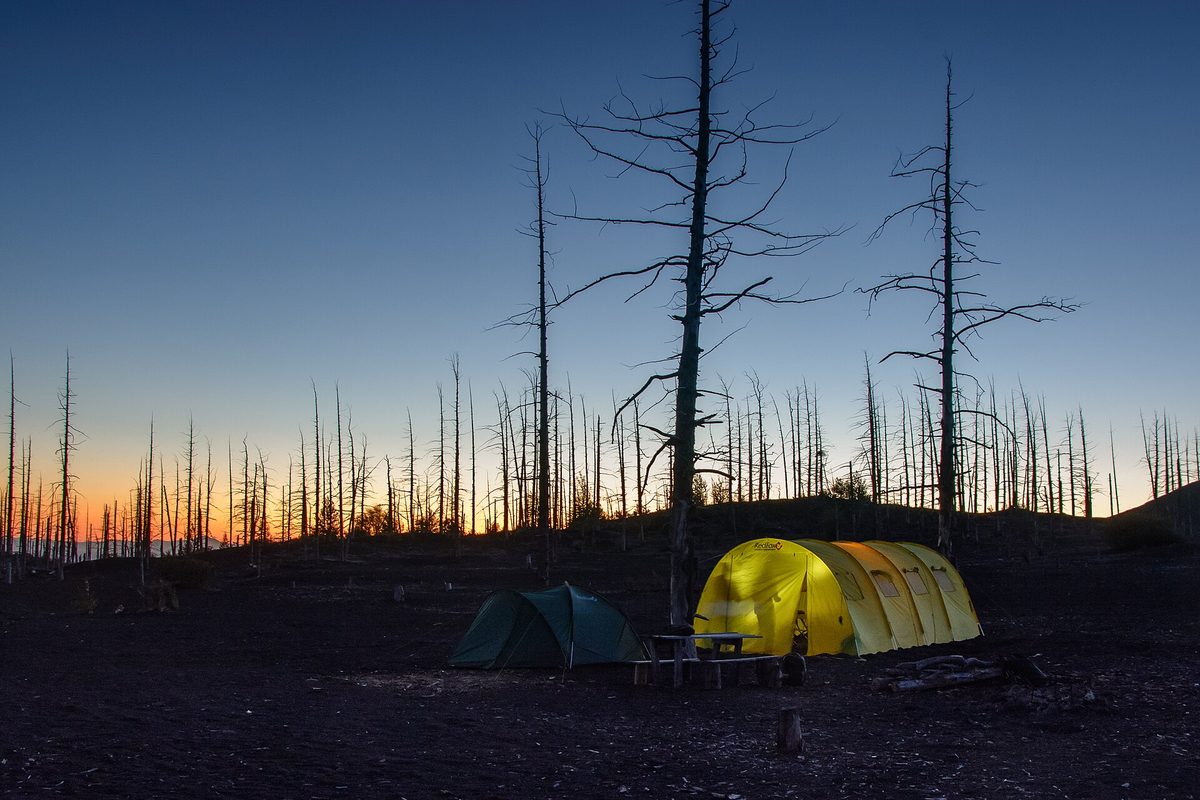
A freestanding tent stands up on its own poles, so you can pitch it on rock, hard ground or a wooden platform and move it after it is up to find the flattest spot. It is the easiest type to live with. A trekking-pole or non-freestanding tent uses your walking poles instead of dedicated ones, which cuts weight, but it relies on stakes and taut guy lines, so it needs ground that takes a stake and a bit more skill to pitch tight. For a first tent, freestanding or semi-freestanding keeps the learning curve gentle.
Doors, vestibules and living space
Two features shape daily life in a tent more than the spec sheet suggests. The first is doors: a two-person tent with two doors and two vestibules means neither person has to climb over the other to get out at night, and each has a sheltered porch for boots and a pack. A single door saves a little weight and a lot of goodwill between tent partners. The second is the vestibule itself, the covered area outside the inner door, which keeps wet gear and muddy boots out of your sleeping space and gives you somewhere to cook in bad weather with the flaps open. Peak height and a steep wall shape also decide whether you can sit up and change or only lie down, which matters a great deal when rain pins you inside for an afternoon.
Spend your weight budget on the right things
Think of weight as a budget, like money, and spend it where it buys the most comfort. For most people starting out, that means a double-wall, freestanding, three-season tent sized one person larger than the group, carried at its honest packed weight. That tent is not the lightest or the cheapest, but it pitches easily in bad weather, handles condensation, and gives you room to wait out a wet afternoon. Once you have a few trips behind you and know what you actually dislike carrying, you will know exactly which number to chase next.
Photo credits. Photo: Olympic National Park / Wikimedia Commons, Public domain. Photo: Michal Klajban / Wikimedia Commons, CC BY-SA 4.0. Photo: kuhnmi / Wikimedia Commons, CC BY 2.0.
More in Camping
- CampingThe basics of a camp stoveCanister, liquid fuel and alcohol stoves compared, with the cold-weather quirks and safety rules that matter most.
- CampingReading sleeping bag temperature ratingsComfort, limit and extreme explained, plus why the standard test and your sleeping pad decide whether you stay warm.